mHealthSystem Digital Health, Delivered to Your Device

Digital Health, Delivered to Your Device

mHealthSystem

Stories, ideas & perspectives — thoughtfully written, beautifully told.

Stuck in 1992: Why Hospitals Still Rely on Fax Machines While AI Rewrites Medicine
Cover story

Stuck in 1992: Why Hospitals Still Rely on Fax Machines While AI Rewrites Medicine

Artificial intelligence is diagnosing disease, predicting readmissions, and personalizing treatment — yet a staggering share of American hospitals still transmit critical patient data by fax. The disconnect between legacy clinical infrastructure and modern digital health platforms is not merely a technological curiosity; it is a patient safety issue with real consequences. This investigation examines why interoperability remains medicine's most persistently broken promise.

Read the story →

Latest Articles

Covered in Theory, Denied in Practice: The Growing Rift Between What Clinicians Prescribe Digitally and What Insurers Will Pay For 02
Digital Health Tools

Covered in Theory, Denied in Practice: The Growing Rift Between What Clinicians Prescribe Digitally and What Insurers Will Pay For

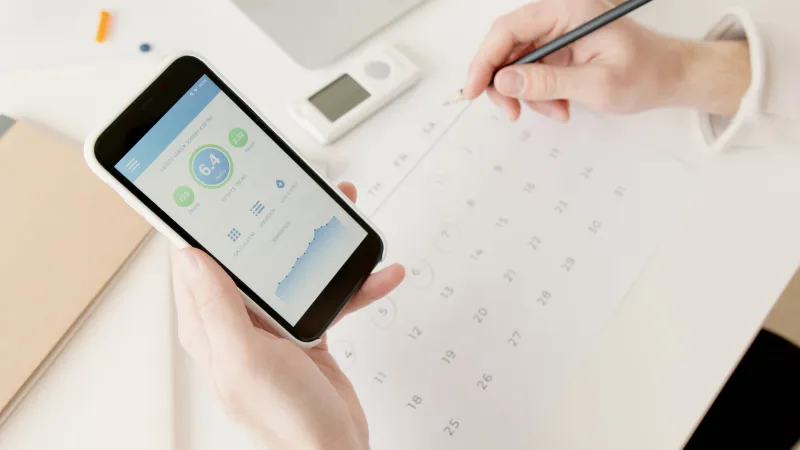
Physicians are increasingly recommending FDA-cleared apps and digital therapeutics as legitimate components of patient care, yet insurance coverage for these tools remains inconsistent, opaque, and frustratingly slow to evolve. Patients who follow their doctor's guidance often discover the recommendation comes with a price tag their plan was never designed to cover. Understanding why this gap exists — and what it costs American patients — is essential for anyone navigating the intersection of mo

Prescribed but Not Connected: The Silent Danger of Medication Apps That Can't Speak to Each Other 03
Digital Health Tools

Prescribed but Not Connected: The Silent Danger of Medication Apps That Can't Speak to Each Other

Millions of Americans rely on digital tools to manage their prescriptions, yet pharmacy systems and medication management apps remain stubbornly disconnected from the broader health technology ecosystem. This fragmentation is not merely an inconvenience — it is a patient safety crisis quietly unfolding across the country. Understanding why these silos persist, and what is at stake when they do, has never been more urgent.

Convenience at a Cost: How On-Demand Telemedicine Is Reshaping Patient Expectations and Clinical Outcomes 04
Digital Health Tools

Convenience at a Cost: How On-Demand Telemedicine Is Reshaping Patient Expectations and Clinical Outcomes

On-demand telemedicine has made reaching a physician faster than ordering a meal delivery, but that convenience may be quietly eroding diagnostic depth and patient health literacy. Primary care physicians across the country are grappling with the downstream consequences of consultations measured in minutes rather than meaningful clinical encounters. This article examines the paradox at the heart of digital healthcare access.

Always Watching, Often Worrying: How Constant Health App Alerts Are Fueling a New Wave of Digital Anxiety 05
Digital Health Tools

Always Watching, Often Worrying: How Constant Health App Alerts Are Fueling a New Wave of Digital Anxiety

Wearables and mobile health apps were designed to empower users with actionable data, but a growing body of clinical concern suggests that relentless notifications may be doing more psychological harm than good. From irregular heartbeat warnings to sleep score guilt, the line between informed patient and anxious data-watcher is growing dangerously thin. Behavioral health professionals and patients alike are asking a pointed question: at what point does monitoring become its own medical problem?

When the Algorithm Says You're Fine: The Hidden Dangers of Trusting Symptom-Checker Apps Over Clinical Judgment 06
Digital Health Tools

When the Algorithm Says You're Fine: The Hidden Dangers of Trusting Symptom-Checker Apps Over Clinical Judgment

Symptom-checking apps have become a first stop for millions of Americans seeking answers about their health, but the confidence they inspire is not always warranted. A growing body of clinical evidence suggests these tools routinely miss the nuanced, contextual information that only a trained clinician can gather. Understanding where digital triage ends and professional evaluation must begin could be the most important health literacy skill of the smartphone era.

Smarter Than the System: When AI Health Apps Outpace the Insurers Meant to Cover Them 07
Digital Health Tools

Smarter Than the System: When AI Health Apps Outpace the Insurers Meant to Cover Them

Artificial intelligence embedded in consumer health applications is generating clinical-grade insights that the insurance industry has yet to formally recognize or reimburse. For millions of Americans, this creates a troubling paradox: their smartphone may detect a meaningful health signal before their physician can act on it—and long before any payer will pay for what comes next. Understanding this gap is essential for patients navigating an increasingly intelligent, yet institutionally misalig

More Than a Calendar: How Period-Tracking Apps Are Failing to Connect the Dots on Women's Hormonal Health 08
Digital Health Tools

More Than a Calendar: How Period-Tracking Apps Are Failing to Connect the Dots on Women's Hormonal Health

Symptom-logging and menstrual tracking apps generate enormous volumes of personal health data, yet most operate in isolation, unable to draw meaningful connections between hormonal fluctuations, mood patterns, sleep disruption, and medication interactions. The result is a fragmented portrait of cyclical health that leaves millions of women without actionable insight. A genuinely integrated approach would demand far more from both the platforms collecting this data and the clinicians interpreting

Midlife, Invisible: Why Mental Health Apps Are Failing Women at Their Most Vulnerable Decade 09
Healthcare Equity

Midlife, Invisible: Why Mental Health Apps Are Failing Women at Their Most Vulnerable Decade

Digital mental health platforms are increasingly the first point of contact for Americans seeking psychological support, yet their underlying screening algorithms were largely built around younger populations. For women over 40 navigating the hormonal, social, and psychological upheaval of midlife, this design gap may carry life-or-death consequences.

Your Genes, Your Rules? The Fragmented Legal Landscape Blocking Genomic Data From Your Health Apps 10
Healthcare Equity

Your Genes, Your Rules? The Fragmented Legal Landscape Blocking Genomic Data From Your Health Apps

Millions of Americans have paid to unlock the secrets encoded in their DNA, yet a tangled web of regulatory blind spots, corporate data policies, and outdated privacy frameworks keeps that information locked away from the digital health tools designed to act on it. The result is a system where patients hold the key to potentially life-saving genetic insights but cannot pass it through the door.

Locked Out of Your Own Data: The Gap Between Consumer Health Apps and Your Doctor's Chart 11
Digital Health Tools

Locked Out of Your Own Data: The Gap Between Consumer Health Apps and Your Doctor's Chart

Millions of Americans meticulously track their steps, heart rate, and sleep cycles through consumer health platforms — yet their physicians often cannot access a single data point. The technical and regulatory barriers keeping patient-generated health data out of clinical workflows are substantial, but a new wave of interoperability standards is beginning to dismantle them.

The Watch That Knew First: Wearables, Early Detection, and the Medical System Scrambling to Keep Up 12
Healthcare Equity

The Watch That Knew First: Wearables, Early Detection, and the Medical System Scrambling to Keep Up

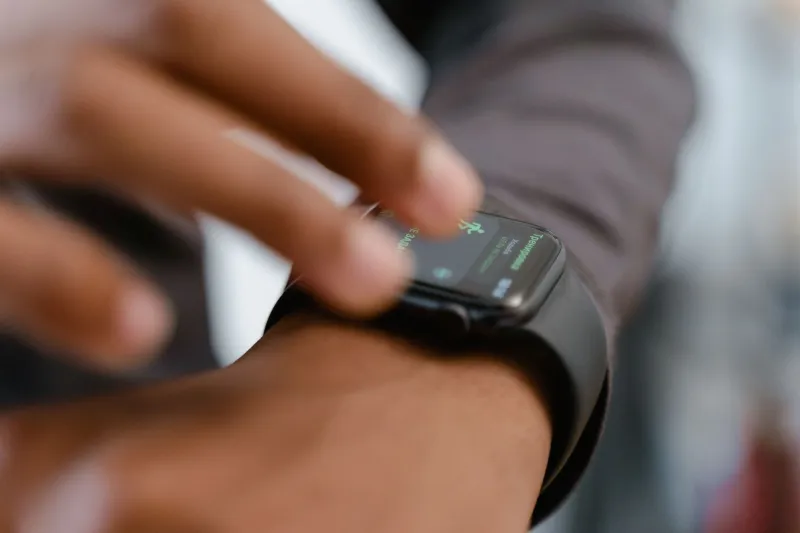
Smartwatches and continuous monitoring devices are increasingly detecting serious cardiac and physiological events before patients ever set foot in a clinic—sometimes before they feel a single symptom. But the emergence of wearable early-warning capability is generating as many clinical and ethical questions as it is answered health crises. mHealthSystem examines the promise, the anxiety, and the regulatory ambiguity reshaping patient-physician relationships.

Ordered but Not Understood: When Clinicians Recommend Apps They've Never Opened 13
Digital Health Tools

Ordered but Not Understood: When Clinicians Recommend Apps They've Never Opened

Physicians across the United States are increasingly directing patients toward mobile health applications without the foundational training to evaluate, navigate, or support those tools. This disconnect between clinical recommendation and digital fluency is quietly undermining patient outcomes and eroding trust in digital health adoption. mHealthSystem investigates why the prescription pad has outpaced the curriculum.

Scrolling Toward Connection: The Uncomfortable Truth About Using Apps to Heal an App-Fueled Crisis 14
Healthcare Equity

Scrolling Toward Connection: The Uncomfortable Truth About Using Apps to Heal an App-Fueled Crisis

Social isolation has reached epidemic proportions in the United States, and researchers increasingly implicate excessive screen time as a contributing factor. Yet the dominant response from the digital health industry is to offer more screen time—delivered through wellness apps, AI companions, and telehealth platforms. This investigative opinion piece asks whether technology can genuinely mend a wound it helped create, and what a more honest hybrid approach to loneliness might look like.

Broken Bridges: Why Your Health Data Still Gets Lost Between Your Doctor, Your Pharmacy, and Your Phone 15
Digital Health Tools

Broken Bridges: Why Your Health Data Still Gets Lost Between Your Doctor, Your Pharmacy, and Your Phone

Despite decades of federal investment and sweeping regulatory mandates, patient health information routinely stalls at the boundaries between electronic health records, pharmacy systems, and mobile health applications. The consequences range from minor inconvenience to life-threatening medication errors. Understanding why the digital health ecosystem remains so fragmented—and who bears the cost—is essential for every American navigating care today.

Your Chart, Your Power: How Accessing Clinical Notes Is Transforming Patient Care 16
Digital Health Tools

Your Chart, Your Power: How Accessing Clinical Notes Is Transforming Patient Care

Electronic health records and patient portals have quietly handed Americans an unprecedented level of visibility into their own medical histories. Understanding how to read, interpret, and act on clinical documentation can mean the difference between catching a dangerous error and becoming its victim. This guide explores how engaged patients are using digital health tools to take meaningful control of their care.

Beyond the Buzz: A Clinician-Informed Guide to What Your Fitness Tracker Actually Knows 17
Healthcare Equity

Beyond the Buzz: A Clinician-Informed Guide to What Your Fitness Tracker Actually Knows

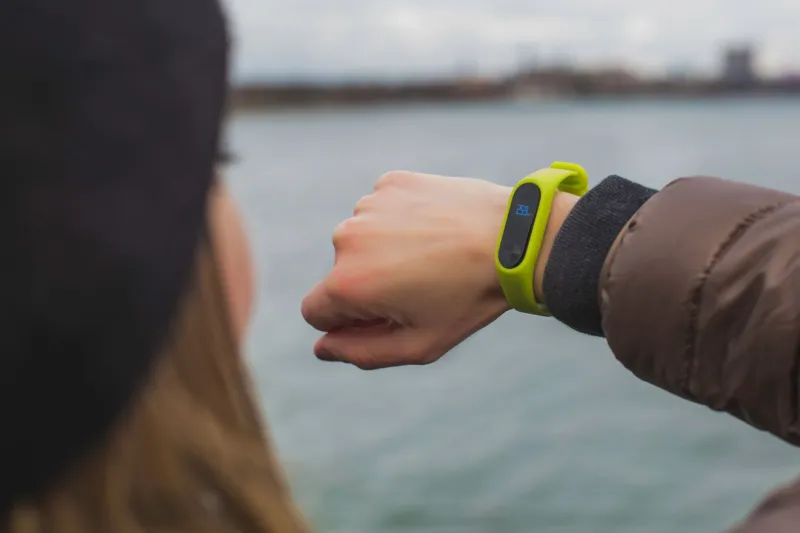
Smartwatches and fitness bands now monitor everything from heart rhythm to sleep architecture — but not all of these measurements carry the same clinical weight. Understanding which wearable metrics are supported by rigorous evidence, which remain largely unvalidated, and when to bring device data to your physician can help consumers make genuinely informed decisions about their health. This guide examines the science, the limitations, and the privacy trade-offs of wearable health technology.

The Store-and-Forward Revolution: How Asynchronous Telehealth Is Quietly Reshaping American Medicine 18
Healthcare Equity

The Store-and-Forward Revolution: How Asynchronous Telehealth Is Quietly Reshaping American Medicine

A growing number of Americans are receiving expert medical diagnoses and treatment plans without ever scheduling a live appointment. Asynchronous telehealth—where patients submit clinical information digitally and receive responses on a flexible timeline—is dismantling longstanding barriers of time, geography, and cost. From dermatology to chronic disease monitoring, the model is proving that real-time interaction is not always a prerequisite for high-quality care.

Clinically Proven or Cleverly Marketed? Navigating the Crowded World of Mental Health Apps 19
Digital Health Tools

Clinically Proven or Cleverly Marketed? Navigating the Crowded World of Mental Health Apps

Hundreds of mental health apps promise relief from anxiety, depression, and chronic stress—but only a fraction are backed by peer-reviewed evidence or regulatory oversight. Understanding the difference between validated digital therapeutics and unproven wellness products is now a critical skill for American patients and their clinicians. This guide cuts through the noise to help users find tools that genuinely work.

Disconnected and Underserved: The Broadband Crisis Quietly Undermining Rural Telehealth in America 20
Healthcare Equity

Disconnected and Underserved: The Broadband Crisis Quietly Undermining Rural Telehealth in America

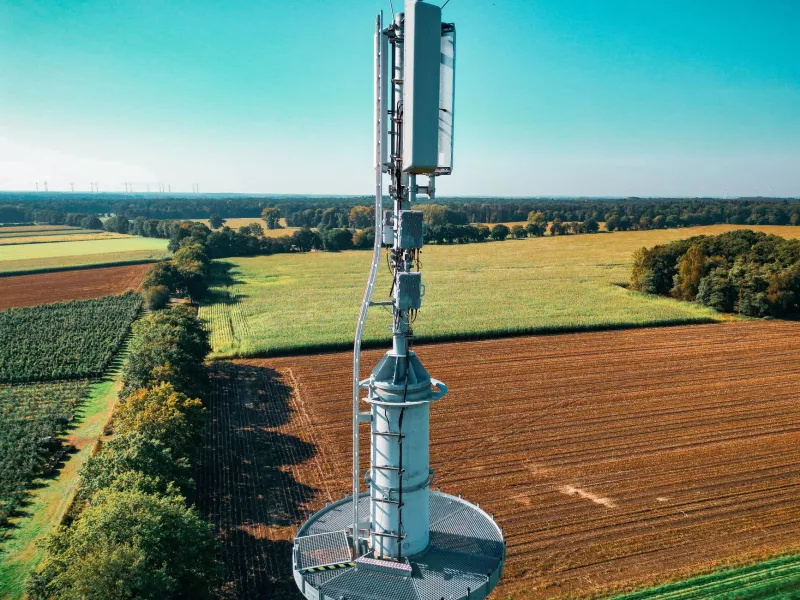
Telemedicine promised to dissolve the geographic barriers that have long separated rural Americans from quality healthcare. For tens of millions of people living beyond the reach of reliable broadband, that promise remains unfulfilled. An examination of the infrastructure deficits, policy shortcomings, and emerging solutions shaping one of the most consequential equity challenges in modern American healthcare.