Heartbeats Welcome, Thoughts Private: The Uneven Trust Americans Place in Mental Health Apps

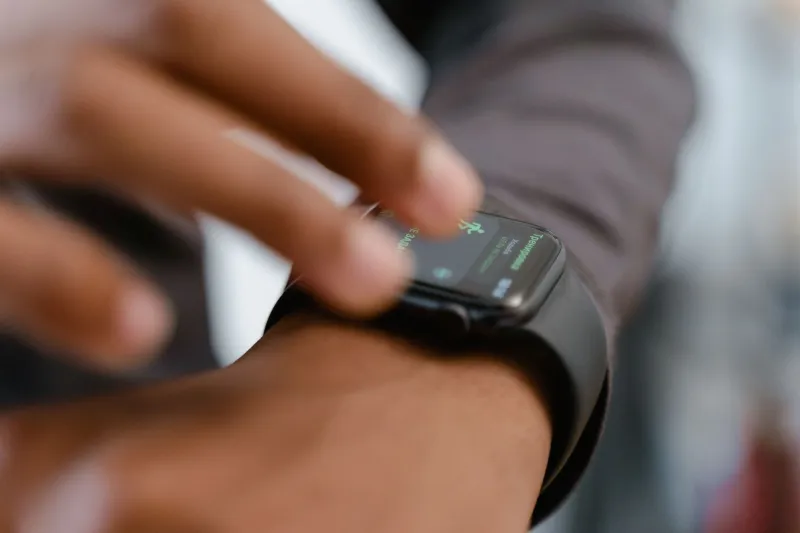
Ask a typical American whether they would allow a smartphone app to monitor their resting heart rate, track sleep cycles, or log daily step counts, and the answer is almost always yes. Millions already do. Wearable devices and wellness applications have woven themselves into the fabric of everyday life with a speed that few industries can match. Yet ask those same users whether they would permit an app to store records of their therapy sessions, mood fluctuations, or psychiatric diagnoses, and the conversation shifts—often dramatically. Hesitation replaces enthusiasm. Skepticism replaces convenience.
This is the defining paradox of mobile health in America today: a nation that openly embraces biometric surveillance of the body remains deeply reluctant to extend that openness to the mind.
The Adoption Asymmetry in Plain Numbers
The data tells a striking story. Cardiac monitoring applications and fitness trackers have achieved mainstream penetration across nearly every demographic segment. Smartwatch ownership among American adults has grown steadily year over year, and the Apple Heart Study—which enrolled over 400,000 participants—demonstrated just how willing people are to contribute physiological data to large-scale digital research when the interface feels familiar and the perceived benefit is immediate.
Mental health applications, by contrast, occupy a far more contested space. While platforms addressing anxiety, depression, and sleep disorders have proliferated—there are now thousands of such apps available in US app stores—consistent, long-term engagement remains elusive. More critically, users frequently cite privacy concerns as the primary reason they either avoid these platforms entirely or deliberately limit the personal information they provide. A person might log their blood oxygen level without a second thought yet feel profound unease typing a description of a panic attack into a journaling app.
The asymmetry is not about technological literacy. It is about something far more deeply rooted.
Stigma as a Structural Barrier
Mental health stigma in the United States is not merely a social inconvenience—it is a structural force that shapes behavior at the individual level in measurable ways. Despite decades of public awareness campaigns and a genuine cultural shift in how younger generations discuss emotional well-being, the fear of being judged, professionally penalized, or socially marginalized for a psychiatric diagnosis remains potent.
When that fear intersects with digital technology, the stakes feel amplified. A fitness metric is perceived as neutral, even aspirational. A mental health record, by contrast, carries the weight of history—insurance discrimination, employment consequences, legal implications in custody disputes. Users are not simply being irrational when they guard this data more carefully. They are responding to a landscape in which the misuse of such information has documented precedents.
Connected care platforms operating in this environment face a trust deficit that no amount of encryption alone can resolve. The technical architecture of security matters enormously, but so does the perceived social safety of disclosure.
Regulatory Gaps That Compound the Problem
Federal health privacy law has not kept pace with the mobile health revolution. The Health Insurance Portability and Accountability Act, known as HIPAA, was designed for a world of paper records and institutional healthcare providers. Many consumer-facing mental health apps do not qualify as covered entities under HIPAA, meaning the protections most Americans assume apply to their health data simply do not extend to the apps they use most casually.
This regulatory ambiguity is particularly consequential for mental health data. When a fitness app shares aggregated wellness metrics with advertisers or research partners, the downstream harm is largely abstract. When a mental health platform does the same with mood logs, crisis disclosures, or therapy notes, the potential for real-world damage is immediate and personal. The Federal Trade Commission has taken enforcement action against several digital health companies for deceptive data practices, but the regulatory framework remains fragmented and reactive rather than comprehensive and anticipatory.
For integrated mobile health platforms seeking to deliver genuinely holistic care, this patchwork creates both a legal minefield and a communications challenge. Users who cannot clearly understand what protections apply to their mental health data will default to withholding it entirely—a rational response to institutional ambiguity.
The Integration Imperative and Its Obstacles
From a clinical standpoint, the separation of mental and physical health data within digital ecosystems is not merely inconvenient—it is medically counterproductive. Cardiovascular health and psychological well-being are deeply interconnected. Chronic stress elevates cortisol, disrupts sleep architecture, and contributes to hypertension. Depression is a recognized risk factor for heart disease. An integrated health record that captures both dimensions offers clinicians a far richer picture than either dataset alone.
Yet achieving that integration requires users to consent to a degree of data sharing that many currently find uncomfortable. Remote care providers working within telehealth platforms frequently encounter patients who are willing to share physical health metrics through connected devices but who draw a firm boundary around behavioral health information. The result is a fragmented clinical profile that limits the precision and effectiveness of care.
Building bridges across this divide demands more than feature development. It requires sustained investment in transparent data governance, clear and accessible privacy disclosures written in plain language rather than legal boilerplate, and demonstrable accountability when data practices fall short of stated commitments.
Cultural Shifts Already Underway
There are genuine reasons for cautious optimism. Younger Americans—particularly those in the millennial and Generation Z cohorts—report meaningfully lower levels of stigma around mental health discussions than preceding generations. The normalization of therapy in mainstream media and social discourse has created cultural permission structures that did not exist a decade ago. Platforms that have invested seriously in user trust, including those offering end-to-end encryption for therapy communications and clear opt-in controls for data sharing, have seen stronger retention among users who initially approach mental health features with reluctance.
The COVID-19 pandemic also served as an unexpected accelerant. As telehealth expanded rapidly to meet surging demand, millions of Americans accessed mental health services digitally for the first time. Many of those users reported positive experiences that recalibrated their expectations of what connected mental healthcare could offer. That expanded baseline of comfort represents a foundation that integrated health platforms can build upon.
What Closing the Gap Requires
The path toward a genuinely unified digital wellness ecosystem runs through several interconnected priorities. Regulatory modernization is essential—federal standards that explicitly address consumer mental health data, regardless of whether the collecting entity qualifies as a HIPAA-covered entity, would establish a baseline of accountability that currently does not exist. Legislative proposals have circulated in Congress, but progress has been slow.
Equally important is the work that health technology companies must do to earn trust rather than simply assert it. Meaningful consent mechanisms, data minimization practices that collect only what is clinically necessary, and independent audits of data handling procedures are not just ethical obligations—they are competitive differentiators in a market where user trust is the scarcest resource.
For mobile health platforms, the opportunity is significant. Americans have already demonstrated their willingness to integrate digital tools into their health routines. The question is whether the industry can create the conditions under which mental health data feels as safe to share as a heart rate reading. That is not primarily a technical challenge. It is a challenge of trust, transparency, and sustained accountability—and it sits at the very center of what connected care must become.