Disconnected by Design: The Hidden Gap Between Your Pharmacy and Your Health Apps
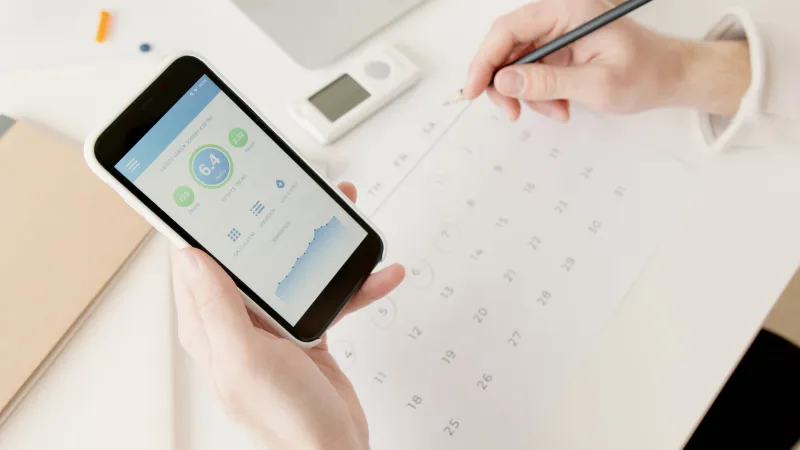
Consider a scenario that plays out thousands of times each day across the United States. A patient downloads a well-reviewed health management app, enters her diagnoses, and expects her medication list to populate automatically from her pharmacy or her doctor's electronic health record. Instead, she is greeted with a blank form and a prompt to enter each drug manually. She types in what she can remember. She forgets two. Months later, her new cardiologist, reviewing her digital health profile, misses a potential interaction.
This is not a hypothetical edge case. It is the predictable consequence of a healthcare data ecosystem that was never fully designed to communicate with itself—and certainly not with the consumer-facing apps that now occupy a growing share of how Americans engage with their own health.
A Fragmented System With High Stakes
The United States pharmacy infrastructure is vast. More than 88,000 retail pharmacies operate across the country, each running proprietary dispensing software that may or may not interface cleanly with major electronic health record platforms. Those EHR systems—Epic, Cerner, Meditech, and dozens of others—each maintain their own medication database structures, terminology standards, and data-sharing policies. Consumer health apps, meanwhile, operate under an entirely different regulatory umbrella and frequently lack the technical access or legal authority to pull data from either source.
The result is what health informaticists call a "medication reconciliation problem" at scale. When a patient transitions between care settings—from hospital to primary care to specialist—their medication list must be manually reviewed and reconciled at each step. Errors at these handoff points are among the most common causes of preventable adverse drug events, accounting for an estimated 1.5 million injuries annually in the US, according to the Institute of Medicine.
Digital health apps promised to solve this. They have not—at least not yet.
Why Syncing Remains So Difficult
The technical barriers are real and layered. Most pharmacy chains use the National Council for Prescription Drug Programs (NCPDP) SCRIPT standard for electronic prescribing, while EHR systems exchange clinical data using HL7 FHIR (Fast Healthcare Interoperability Resources) protocols. Consumer apps may support FHIR endpoints, but gaining authorized access to a patient's pharmacy dispensing record requires navigating relationships with pharmacy benefit managers, insurance networks, and retail chains—each of which maintains its own data governance posture.
Some of the largest pharmacy chains do offer patient-facing portals that display prescription history. CVS, Walgreens, and Amazon Pharmacy each provide digital records to account holders. However, these portals are largely closed ecosystems. Exporting a medication list to a third-party app—even a clinically validated one—typically requires manual steps, PDF downloads, or workarounds that most patients will not complete.
The regulatory picture adds another layer of complexity. The Health Insurance Portability and Accountability Act (HIPAA) governs how covered entities like pharmacies and hospitals may share health information. Consumer apps that are not covered entities under HIPAA operate outside this framework, which means pharmacies have limited legal clarity on the liability implications of sharing dispensing data with them directly. The Federal Trade Commission has stepped in with guidance on health app data practices, but a unified federal standard for medication data portability does not yet exist.
The Safety Risks of Manual Entry
When patients are left to self-report their medications, accuracy suffers predictably. A 2022 study published in the Journal of the American Medical Informatics Association found that patient-reported medication lists in consumer health apps contained discrepancies with pharmacy records in more than 40 percent of cases reviewed. The most common errors involved incorrect dosages, discontinued medications listed as active, and omitted over-the-counter drugs or supplements.
For patients managing multiple chronic conditions—a population that skews older and often sees several specialists simultaneously—these discrepancies are not merely administrative inconveniences. They represent genuine clinical risk. Drug-drug interactions, contraindications, and dosing errors that a connected system might flag automatically go undetected when the data is incomplete or stale.
Telemedicine encounters compound the problem. A virtual visit with a provider who lacks access to an accurate, current medication list is operating with incomplete clinical information from the outset. The convenience of remote care is undercut when the data infrastructure supporting it remains fragmented.
What Is Finally Beginning to Shift
There are meaningful developments underway, though progress is measured in years rather than months.
The 21st Century Cures Act, signed into law in 2016 and implemented in phases through the early 2020s, established information-blocking prohibitions and mandated that certified health IT systems support FHIR-based application programming interfaces. This has opened a pathway for patient-authorized apps to request access to clinical data—including medication records—held by participating health systems. The Apple Health Records feature, which aggregates FHIR data from connected hospitals and clinics, is one of the more visible expressions of this framework in practice.
Surescripts, the nation's largest health information network, processes hundreds of millions of prescription transactions annually and has been expanding its real-time prescription benefit and medication history tools. Some EHR vendors are beginning to surface Surescripts medication history data within their patient portal apps, creating a more complete picture without requiring manual entry.
Medicare's Blue Button 2.0 initiative allows beneficiaries to share their Part D prescription drug claims data with authorized third-party applications. For the Medicare population—which carries the highest medication burden of any demographic group—this represents a potentially significant step toward automated reconciliation.
The Road Ahead
None of these developments yet constitute a seamless, patient-transparent system in which a medication list automatically updates across every platform a person uses. The interoperability vision embedded in federal policy remains aspirational in practice for most Americans.
For digital health platforms committed to delivering genuinely connected care, the medication data gap is not a peripheral technical problem. It sits at the center of what safe, coordinated remote healthcare requires. Platforms that invest in FHIR integration, pharmacy data partnerships, and patient-permission workflows are positioning themselves to offer something the current landscape does not: a medication record that is accurate, current, and actually useful at the point of care.
Until that infrastructure matures, clinicians and patients alike are left managing a critical piece of health information the old-fashioned way—by memory, by paper, and by hope.