When the Screen Isn't Enough: Understanding the Real Clinical Limits of Virtual Medical Visits
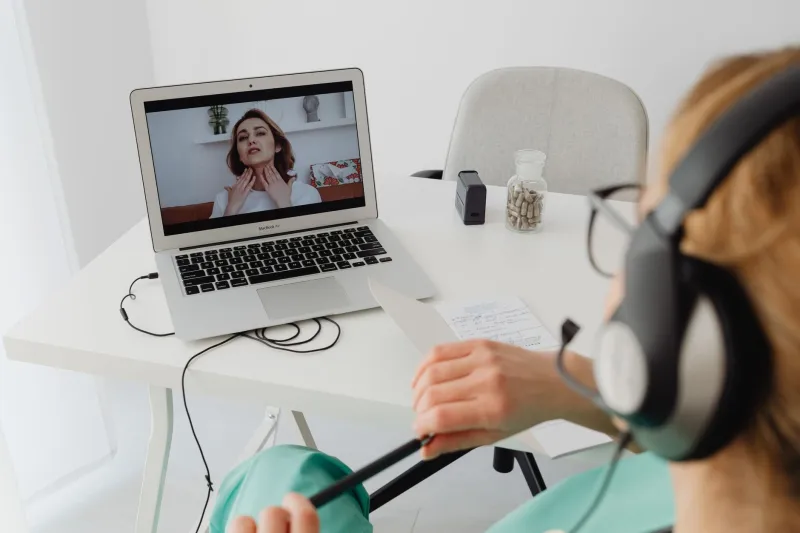
For many Americans, the appeal of telemedicine is self-evident. No traffic, no waiting room chairs, no half-day lost to a routine appointment. A video call with a licensed clinician from the comfort of your kitchen has become, for tens of millions of people, the new normal of primary care. Yet as digital health platforms continue to expand their reach, a quieter conversation is unfolding within clinical medicine — one that asks a more uncomfortable question: what exactly is being lost when a doctor cannot be in the same room as their patient?
The answer, it turns out, is more than most patients realize.
The Examination That Cannot Travel Through a Screen
Physical examination has been the cornerstone of clinical diagnosis for centuries, and for good reason. A physician's hands, ears, and eyes gather information that no camera — however high-definition — can fully replicate. Palpating an abdomen for tenderness, auscultating breath sounds for subtle crackles, percussing a chest for fluid accumulation, assessing lymph node size by touch: these are not procedural formalities. They are diagnostic acts that frequently change the clinical picture entirely.
Consider a patient presenting with fatigue and mild shortness of breath. Over a video call, a clinician might reasonably attribute these symptoms to anxiety, deconditioning, or a viral illness. In person, however, that same clinician might detect an irregular heartbeat through a stethoscope, notice subtle swelling in the ankles, or observe a bluish tinge around the lips — findings collectively pointing toward early heart failure. The patient's verbal description of symptoms remained identical in both scenarios. The outcome of the encounter did not.
This is not a hypothetical constructed to alarm. Clinicians across emergency medicine, internal medicine, and family practice have documented instances in which remote assessments delayed diagnoses of conditions including appendicitis, pulmonary embolism, and new-onset cardiac arrhythmias — conditions where time-to-diagnosis is directly tied to patient outcomes.
Conditions That Demand a Physical Presence
Certain categories of illness are, by their very nature, poorly suited to remote evaluation. Acute abdominal pain sits near the top of this list. The character of abdominal tenderness — its location, its response to pressure, the presence or absence of rebound — carries enormous diagnostic weight that simply cannot be transmitted through a screen. Similarly, musculoskeletal injuries involving suspected fractures, ligament tears, or joint instability require hands-on assessment and, frequently, in-person imaging.
Dermatological conditions present a different but equally significant challenge. While some telehealth platforms have invested in asynchronous photo-based dermatology services, the resolution and lighting conditions of a patient's smartphone camera rarely match what a dermatologist can observe under proper clinical lighting with a dermoscope. Skin texture, lesion depth, and subtle color gradations matter enormously when distinguishing between a benign mole and an early melanoma.
Neurological complaints — new-onset headaches, episodes of weakness or numbness, changes in coordination — similarly warrant in-person evaluation. A neurological exam requires the clinician to observe gait, test reflexes, assess cranial nerve function, and evaluate fine motor control. These assessments cannot be meaningfully performed over video, regardless of how cooperative or articulate the patient may be.
Pediatric care adds another layer of complexity. Children are notoriously unreliable historians of their own symptoms, and physical signs — ear infections, throat inflammation, abdominal tenderness — are frequently the primary diagnostic data points. Pediatricians regularly identify conditions in children that parents had not described or even noticed, precisely because the physical encounter reveals what language cannot.
How Diagnostic Gaps Occur — and Why They Are Not Always Obvious
One of the more insidious aspects of telemedicine's diagnostic limitations is that both patients and clinicians can leave a virtual visit feeling confident when the clinical picture remains incomplete. A patient who receives reassurance over video may delay seeking further evaluation. A clinician working within a time-constrained virtual appointment may, consciously or otherwise, anchor to the most probable diagnosis given available information — without the physical examination data that might have prompted a different line of inquiry.
This phenomenon, known in clinical literature as premature diagnostic closure, is not unique to telemedicine. It occurs in emergency rooms and primary care offices as well. However, the structural constraints of a video visit — limited time, limited sensory data, and the absence of the environmental cues a clinician gathers simply by observing a patient walk into a room — may increase its likelihood.
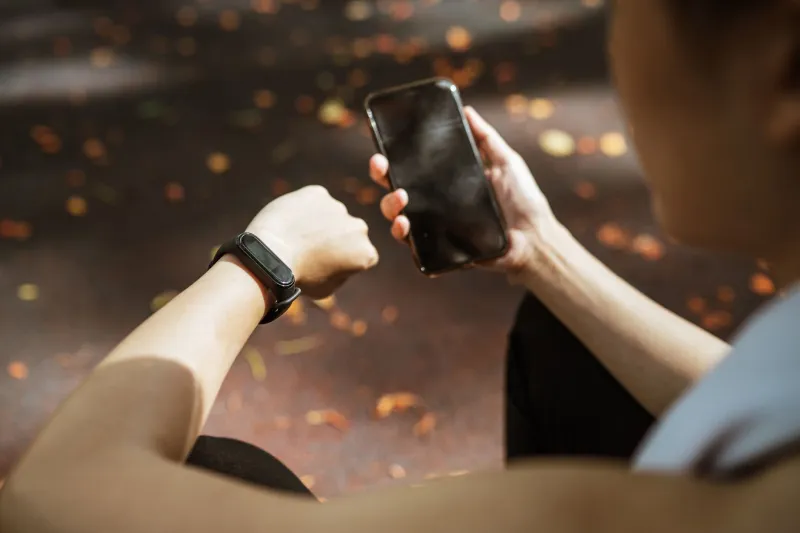
There is also the matter of vital signs. Blood pressure, oxygen saturation, heart rate, respiratory rate, and temperature are standard data points in any in-person encounter. In a virtual visit, clinicians are largely dependent on patient self-reporting, which introduces variability and the potential for significant measurement error. Consumer-grade home monitoring devices, while improving in accuracy, are not universally reliable, and many patients do not own them at all.
The Case for Strategic, Hybrid Healthcare
None of this is an argument against telemedicine. The technology has delivered genuine, measurable value to the American healthcare landscape — particularly for patients managing chronic conditions, those in rural or underserved communities, individuals with mobility limitations, and anyone requiring mental health services or medication management. For these use cases, virtual care has expanded access in ways that would have seemed remarkable a decade ago.
The more accurate framing is one of appropriate utilization. Telemedicine performs best when the clinical question is well-defined, when the condition being managed is already diagnosed, or when the encounter's primary purpose is counseling, prescription renewal, or follow-up on stable symptoms. A patient with a known history of seasonal allergies seeking antihistamine refills has little to gain from an in-person visit. A patient experiencing chest pain radiating to the left arm has everything to lose from one that does not happen.
Healthcare providers and digital health platforms alike are beginning to articulate clearer triage frameworks — guidance that helps patients determine, before they schedule an appointment, whether a virtual or in-person visit is clinically appropriate for their situation. Some platforms now incorporate symptom-checker algorithms that flag high-risk presentations and redirect patients toward emergency care or in-person evaluation. This kind of intelligent routing represents a meaningful step forward.
Patients, too, have a role to play. Before choosing a virtual visit, it is worth asking honestly whether your symptoms are new, escalating, or accompanied by physical findings you cannot fully describe in words. If you have already been evaluated in person for a condition and are seeking follow-up care, telemedicine is likely appropriate. If you are presenting with something unfamiliar, severe, or involving a body part that requires examination, an in-person appointment is almost certainly the safer choice.
A Smarter Relationship With Digital Care
The evolution of telemedicine does not require patients to choose between convenience and clinical rigor — but it does require them to be informed participants in that choice. Understanding the boundaries of what a video visit can and cannot accomplish is not a reason to distrust digital healthcare. It is, rather, the foundation of using it wisely.
Platforms like those emerging across the mHealth landscape are increasingly designed to support this kind of informed navigation, connecting patients not only to virtual clinicians but to networks of in-person providers when the situation warrants escalation. The goal of connected care is not to replace the examination room. It is to ensure that every patient reaches the right level of care — whether that means a video call at noon or an in-person appointment the following morning.
Knowing the difference may, on occasion, make all the difference.