Counting Steps, Chasing Scores: The Seductive Illusion of Quantified Wellness
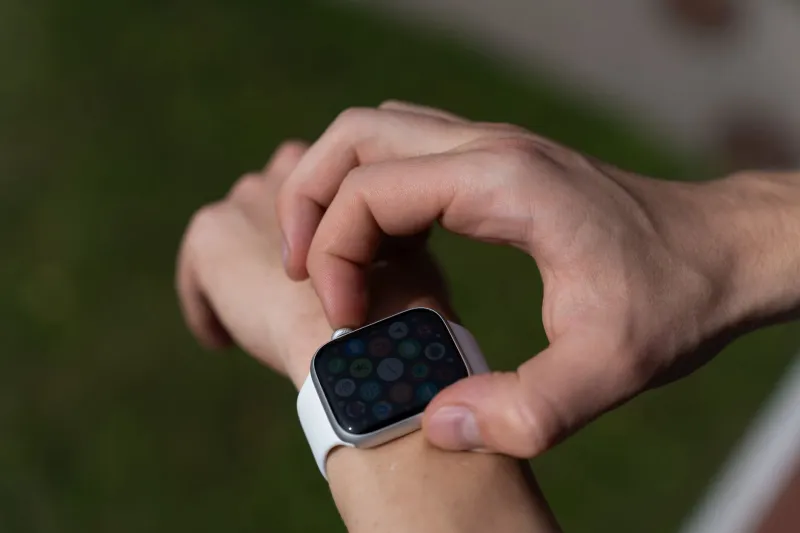
There is a particular satisfaction in closing the rings. If you own an Apple Watch, you know exactly what this means—the gentle haptic nudge, the animated celebration, the quiet sense of accomplishment that comes from having moved enough, stood enough, exercised enough for one day. Tomorrow the rings open again, and the cycle restarts.
This is wellness as game design. And it is, by most measures, extraordinarily effective at generating engagement. What it is less clearly effective at is improving health.
The Metrics We Worship
The American wellness technology market is enormous and still expanding. Wearable device shipments in the United States number in the tens of millions annually. Apps tracking sleep quality, caloric intake, stress levels, heart rate variability, menstrual cycles, and hydration have collectively accumulated hundreds of millions of downloads. The global wellness economy, of which digital health tools form an increasingly large component, is now valued in the trillions of dollars.
At the center of this ecosystem is a set of numbers that have achieved near-sacred status in contemporary American health culture. Ten thousand daily steps. Eight hours of sleep. A resting heart rate below sixty beats per minute. A sleep score above eighty-five. These figures circulate through social media, workplace wellness programs, and casual conversation with the authority of clinical benchmarks—despite the fact that many of them originated as marketing constructs rather than evidence-based targets.
The ten-thousand-step goal, for instance, traces its origins not to a clinical trial but to a 1960s Japanese marketing campaign for a pedometer. Subsequent research has found that meaningful health benefits from walking can begin at substantially lower daily totals, and that the relationship between step count and mortality risk levels off well before the iconic figure. Yet the number persists, embedded in device defaults and wellness program incentive structures across the country.
Gamification and the Psychology of Control
The designers of wellness apps understand something fundamental about human psychology: we are powerfully motivated by visible progress, social comparison, and the avoidance of loss. These are not incidental features of popular health apps—they are the architecture.
Streaks create loss aversion. Missing a single day of logged activity threatens an accumulated record, triggering the same psychological discomfort as financial loss. Leaderboards transform personal health into competitive performance, tapping social comparison instincts that researchers have documented across cultures. Achievement badges and animated congratulations activate reward pathways in ways that are functionally similar to those exploited by social media platforms and mobile games.
The behavioral science literature suggests these mechanisms can drive short-term behavior change effectively. People do walk more when wearing a tracker. They do log more meals when using a calorie app. The question is whether that behavioral change is durable, clinically meaningful, and—critically—psychologically healthy.
A growing body of research raises legitimate doubts on all three counts. Studies examining long-term wearable use have found that initial increases in physical activity frequently plateau or reverse as novelty fades. A notable randomized controlled trial published in JAMA Internal Medicine found that participants who used activity trackers actually lost less weight over two years than those who did not, a counterintuitive finding that researchers attributed in part to the replacement of intrinsic motivation with external reward.
When Monitoring Becomes a Source of Stress
For some users, the relationship between wellness tracking and wellbeing is not merely neutral—it is actively harmful. Clinicians have begun documenting a pattern they describe as orthosomnia: a preoccupation with achieving optimal sleep scores that itself disrupts sleep. Patients arrive at sleep clinics clutching weeks of wearable data, convinced their devices have identified a problem, only to find that their subjective experience of sleep quality and their objective clinical measures tell a different story.
Similar dynamics have been observed in the context of calorie tracking. Nutritionists and eating disorder specialists have raised sustained concerns about the role of logging apps in reinforcing disordered eating behaviors, particularly among populations already predisposed to restrictive patterns. The apps themselves rarely distinguish between a user who would benefit from greater dietary awareness and one for whom granular caloric accounting poses genuine psychological risk.
This is the limitation that wellness technology companies are least eager to discuss: their products are designed for engagement, not for clinical appropriateness. The same interface that might motivate a sedentary office worker to take more walks can also deepen the anxiety of someone already consumed by health monitoring. One-size-fits-all gamification does not account for individual psychological context.
What the Evidence Actually Supports
None of this is to suggest that digital wellness tools are without value. The evidence for certain applications is reasonably strong. Wearable devices with cardiac monitoring capabilities have demonstrably helped identify atrial fibrillation in users who were asymptomatic and might otherwise have gone undiagnosed for years. Continuous glucose monitors have transformed diabetes management for millions of Americans. Structured digital programs for weight management and smoking cessation have shown clinically meaningful outcomes in controlled settings.
The issue is not the technology itself but the gap between what these tools can legitimately claim and what they implicitly promise. A sleep score is not a clinical sleep study. A step count is not a cardiovascular fitness assessment. A stress metric derived from wrist-based heart rate variability is not a validated measure of psychological wellbeing. These distinctions matter, and the wellness industry's commercial incentives do not favor making them clearly.
Reclaiming Agency Over Your Health Data
For consumers navigating this landscape, a degree of deliberate skepticism is warranted. Using a fitness tracker as a rough motivational tool—a nudge toward more movement, a reminder to stand up from a desk—is a reasonable and low-risk application. Treating its outputs as diagnostic data, or allowing a poor sleep score to generate clinical anxiety, is a different matter entirely.
The most useful frame for digital wellness tools may be one borrowed from financial literacy: they are instruments for awareness, not substitutes for professional judgment. A wearable can tell you that your resting heart rate has been elevated for several days; it cannot tell you why, or whether that elevation is clinically significant. That interpretation requires a clinician—ideally one who can contextualize the data within a complete picture of your health history.
Telemedicine platforms that allow patients to share wearable data directly with their providers represent a genuinely promising integration of consumer wellness technology and clinical care. When a virtual visit includes a review of longitudinal activity or sleep data in conversation with a qualified practitioner, the metrics become meaningful in a way they rarely are when reviewed in isolation.
Until that integration is routine, the rings will keep closing. The question worth asking, each time they do, is whether the satisfaction they deliver is a signal of genuine progress—or simply a very well-designed feeling.