Clinically Proven or Cleverly Marketed? Navigating the Crowded World of Mental Health Apps
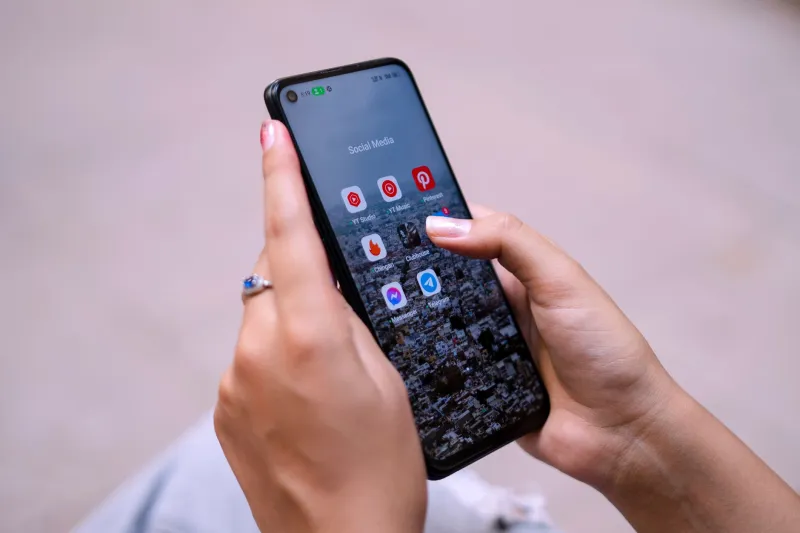
The Apple App Store and Google Play collectively host more than 20,000 applications that carry some form of mental health label. Meditation timers, mood journals, AI-powered chatbots, and self-guided cognitive behavioral therapy (CBT) programs compete for space on the same digital shelf—with virtually no universal standard separating those backed by clinical science from those built on little more than good branding. For the millions of Americans managing anxiety, depression, or stress-related conditions, that ambiguity carries real consequences.
The demand driving this market is undeniable. According to the National Institute of Mental Health, nearly one in five U.S. adults lives with a mental illness in any given year, yet fewer than half receive treatment. Long waitlists, high out-of-pocket costs, and geographic shortages of licensed therapists have left a substantial gap—one that digital health entrepreneurs have moved quickly to fill. The result is a marketplace that is simultaneously promising and perilous.
Why the Regulatory Landscape Is So Complicated
The U.S. Food and Drug Administration (FDA) does not regulate every wellness app, nor should it in every case. The agency has established a tiered framework under its Digital Health Center of Excellence, distinguishing between general wellness tools—which receive minimal oversight—and Software as a Medical Device (SaMD), which faces scrutiny comparable to traditional medical products.
Apps that make specific clinical claims, such as treating major depressive disorder or reducing the severity of post-traumatic stress disorder, fall into the SaMD category and may require FDA clearance or authorization. To date, only a small number of mental health applications have crossed that threshold. Freespira, authorized for panic disorder and PTSD, and Rejoyn, which received FDA authorization in 2023 as a prescription digital therapeutic for major depressive disorder, represent the current leading edge of regulated digital mental health care.
The vast majority of apps, however, operate in a regulatory gray zone. They avoid clinical language carefully enough to sidestep FDA oversight while still implying therapeutic benefit through testimonials, influencer partnerships, and emotionally resonant marketing copy.
The Evidence Gap: What Research Actually Shows
Independent evaluations of mental health apps have produced a sobering picture. A 2019 review published in the journal World Psychiatry examined more than 100 studies and found that while digital interventions showed promise for mild-to-moderate depression and anxiety, the quality of evidence was frequently poor—small sample sizes, short follow-up periods, and high dropout rates plagued the research landscape.
More recently, a 2022 analysis by the American Psychological Association found that fewer than 3 percent of the most downloaded mental health apps had published peer-reviewed studies supporting their specific efficacy claims. That means the majority of apps Americans are downloading and, in many cases, paying subscription fees for have never been subjected to the kind of rigorous testing that would be required of a pharmaceutical drug or medical device.
This is not to suggest that all uncleared apps are worthless. Several well-designed tools have accumulated credible research without achieving formal regulatory status. Woebot, a conversational AI platform grounded in CBT principles, has published randomized controlled trials showing reductions in depression and anxiety symptoms among college-aged users. Headspace and Calm, both primarily meditation platforms, have sponsored studies demonstrating measurable reductions in workplace stress and sleep disruption, though critics note the inherent conflicts of interest in company-funded research.
What Clinically Validated Actually Means—And What to Look For
For patients attempting to evaluate apps on their own, a few markers can serve as meaningful signals of credibility.
Peer-reviewed publication. Does the app's developer cite studies published in indexed medical journals, not just white papers or press releases? A PubMed search for the app's name can quickly reveal whether independent researchers have examined its methods.
Therapeutic framework. Apps built on established psychological modalities—cognitive behavioral therapy, dialectical behavior therapy, acceptance and commitment therapy—are more likely to produce meaningful outcomes than those relying on vague concepts like "positive energy" or "mindfulness" without clinical grounding.
FDA clearance or authorization. While not every effective app has pursued regulatory review, FDA-authorized tools have met a defined evidentiary standard. The FDA's Digital Health Center of Excellence maintains publicly accessible databases of authorized devices.
Professional involvement. Apps developed in partnership with licensed psychologists, psychiatrists, or academic medical centers carry greater credibility than those built exclusively by technology teams without clinical oversight.
Transparent data practices. Mental health data is among the most sensitive information a person can share. Reputable apps publish clear privacy policies, avoid selling user data to third parties, and comply with applicable HIPAA standards where relevant.
Where Genuine Progress Is Being Made
Despite the noise, several developments in digital mental health deserve genuine attention.
Prescription digital therapeutics (PDTs) represent the most rigorous category of mental health apps. These products require a clinician's prescription, have undergone FDA review, and are increasingly being integrated into formal treatment plans alongside medication or traditional therapy. Rejoyn, for example, is designed to be used adjunctively with antidepressant therapy for adults with major depressive disorder—not as a standalone replacement for professional care.
Health systems and insurers are also beginning to curate vetted app libraries for their members. The American Psychiatric Association has developed an App Evaluation Model that clinicians can use to assess digital tools across multiple dimensions, including evidence, clinical foundations, and data security. Several large health plans now offer access to validated digital mental health platforms as covered benefits, reducing the financial barrier for patients.
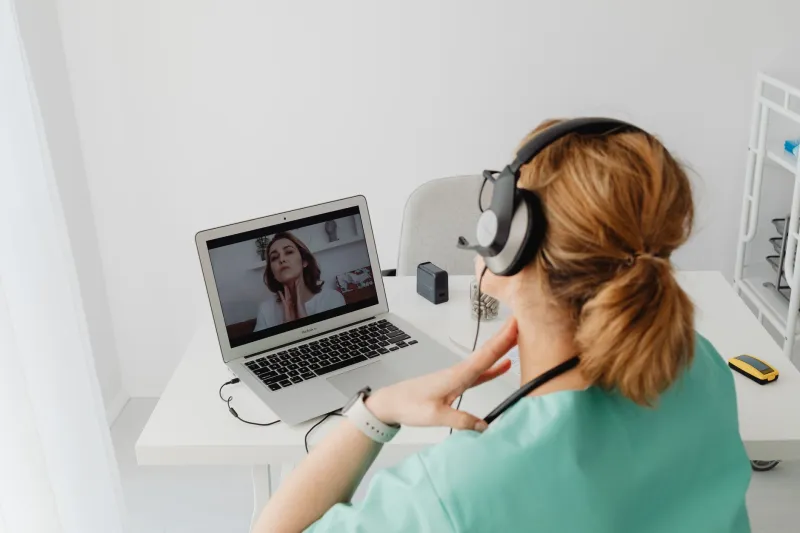
Telemedicine platforms, including integrated mHealth systems that connect patients with licensed mental health professionals remotely, are increasingly pairing asynchronous monitoring tools with live clinical touchpoints—creating a more comprehensive digital care model than any standalone app can provide.
The Bottom Line for Patients
Mental health apps are not inherently problematic—but the conditions under which they are used matter enormously. An FDA-authorized therapeutic used under clinician guidance represents a fundamentally different proposition than a subscription meditation app downloaded after a targeted social media advertisement.
Americans navigating mental health challenges deserve tools that have been held to meaningful standards. The good news is that the regulatory and clinical infrastructure for doing so is maturing. The responsibility, for now, falls partly on patients to ask harder questions before they download, and partly on clinicians to familiarize themselves with the landscape well enough to guide those conversations.
Digital mental health care holds genuine promise. Realizing that promise requires distinguishing between what is clinically substantiated and what is simply well-packaged.